← Selected Works Multiplayer Social Platform · Unity · 2022 – 2025

ZTX

Role Senior Unity Developer · Systems Engineer
Engine Unity3D
Technology Unity3D · Photon · Nakama · Addressables · Firebase · IAP
Location Seoul · Remote (US-based company)
ZTX virtual world — multiplayer social platform, Unity
2.5 Years as core
team member
170K+ Followers at
mobile launch
PC → Mobile Full platform pivot
delivered mid-project
3 Platforms shipped
PC · iOS · Android

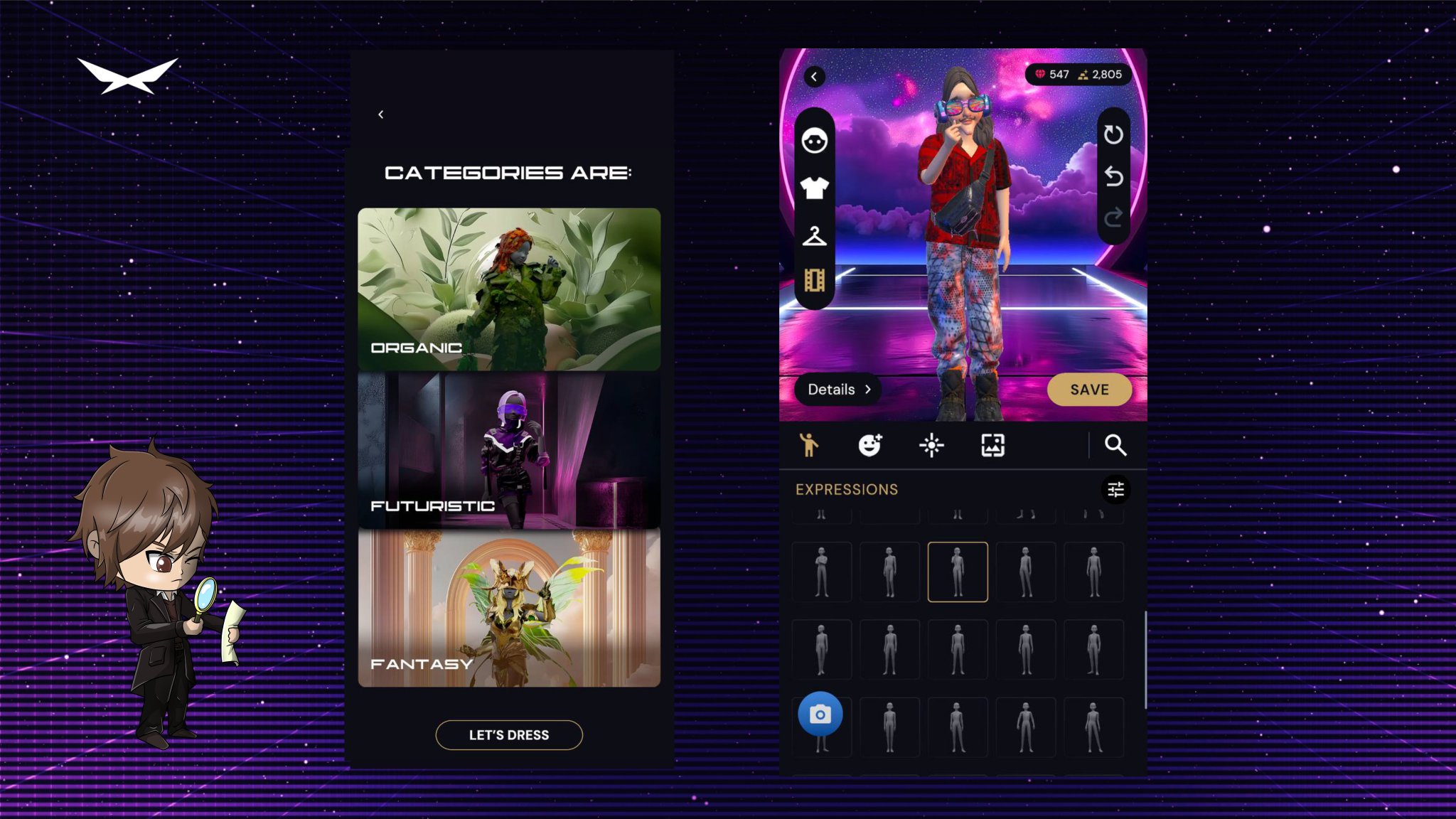
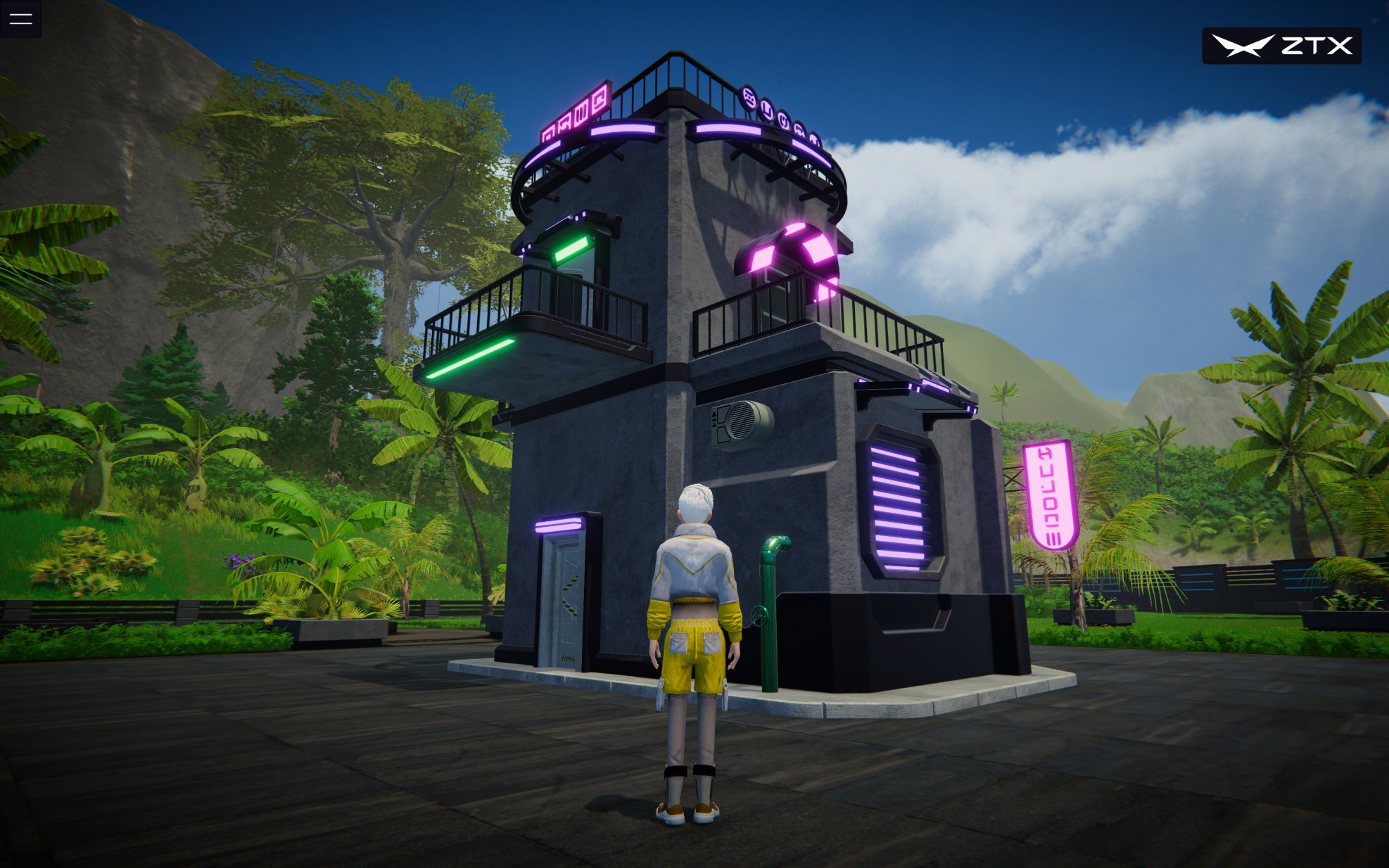
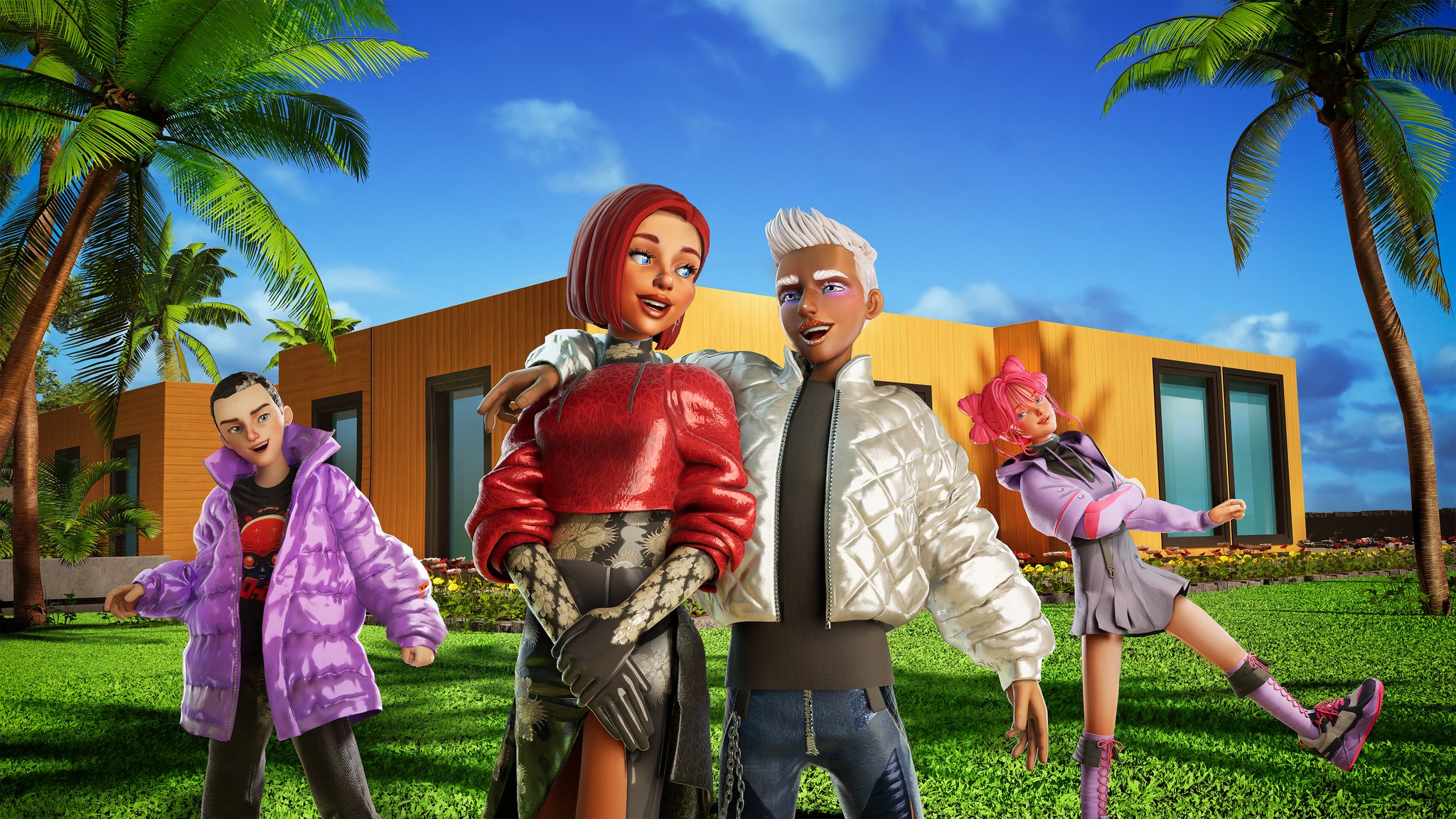
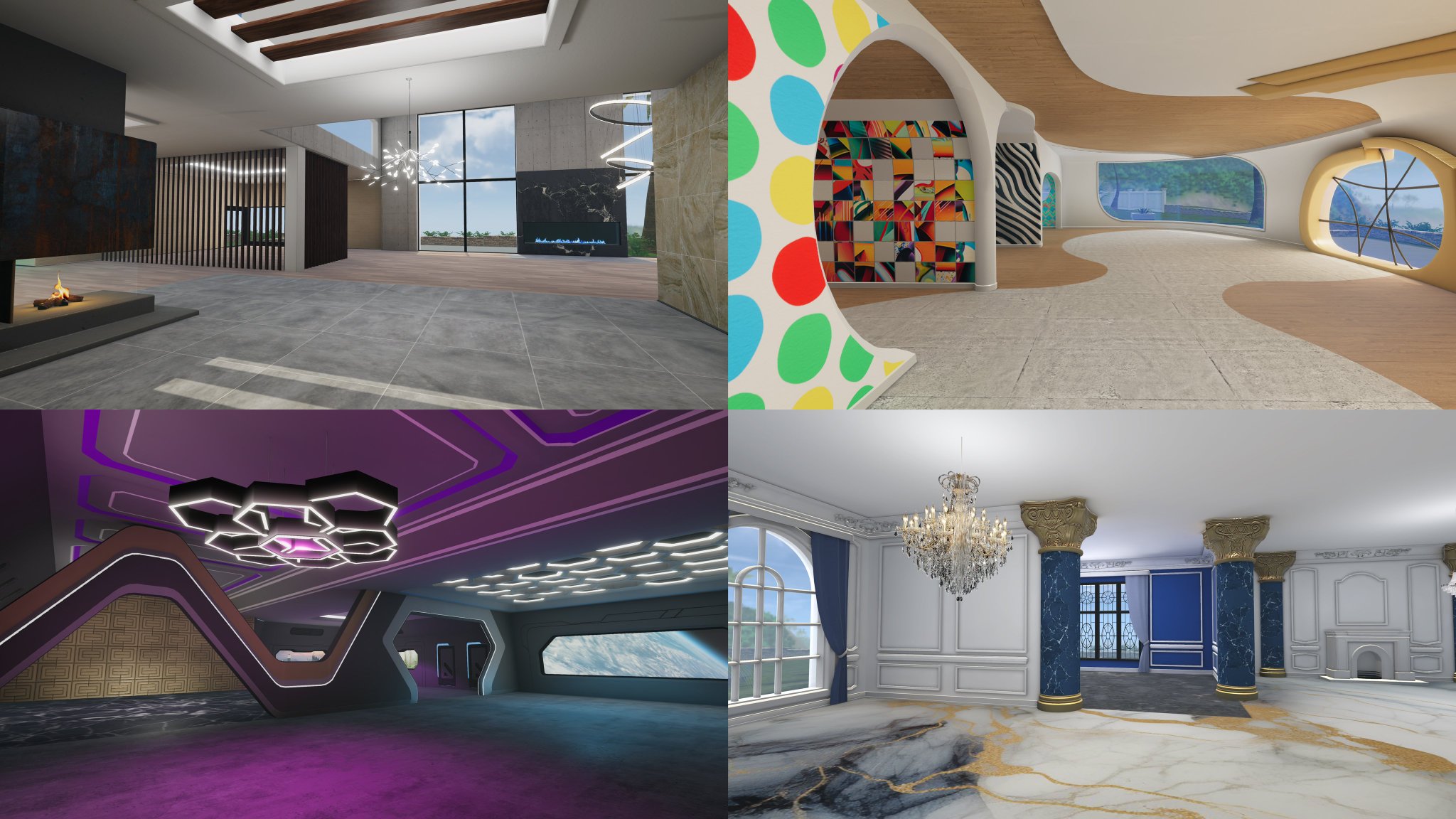
ZTX was a large-scale virtual world built in Unity — players owned land, decorated homes, farmed resources, and customised avatars in a shared social space. The platform raised $13M from Jump Crypto and ZEPETO and launched on PC before pivoting to a mobile-first social app.

I joined as part of the early core engineering team and stayed for two and a half years through the full product lifecycle, including the PC-to-mobile pivot. I worked from Seoul with a distributed team primarily based in the US.

Building a large-scale shared world in Unity means solving three problems simultaneously: real-time multiplayer at scale, a live-service content pipeline that keeps the world fresh after launch, and a player-facing economy that requires consistent, auditable transaction handling. ZTX required all three.

The platform pivot added a fourth problem: re-engineering systems built for PC to work on mobile — without throwing away what already existed. Scope and direction shifted frequently. The engineering challenge was staying adaptable without accumulating debt that would block the team later.

The third challenge was the team itself — engineers split across Korea and the US, working in different time zones and different first languages. Decisions made in one country didn't always land correctly in the other. Part of the role, informally but consistently, was serving as the communication layer between sides: translating technical intent, flagging misalignment before it became a build problem, and keeping both teams oriented toward the same product.
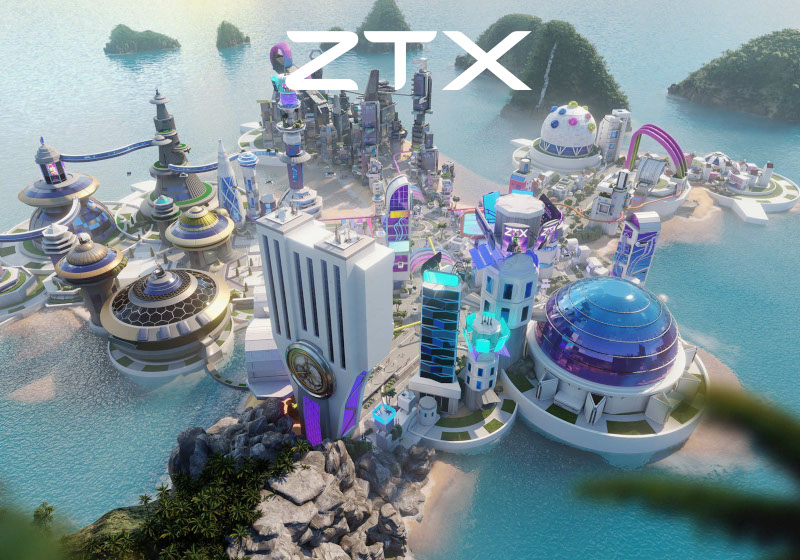
ZTX had a distributed engineering team across Korea and the US. Within that team, I had primary ownership of three systems — housing and decoration, farming and resource loops, and the internal creator tooling — plus ongoing contributions across multiplayer, mobile, UI, and live-service infrastructure throughout the 2.5 years.

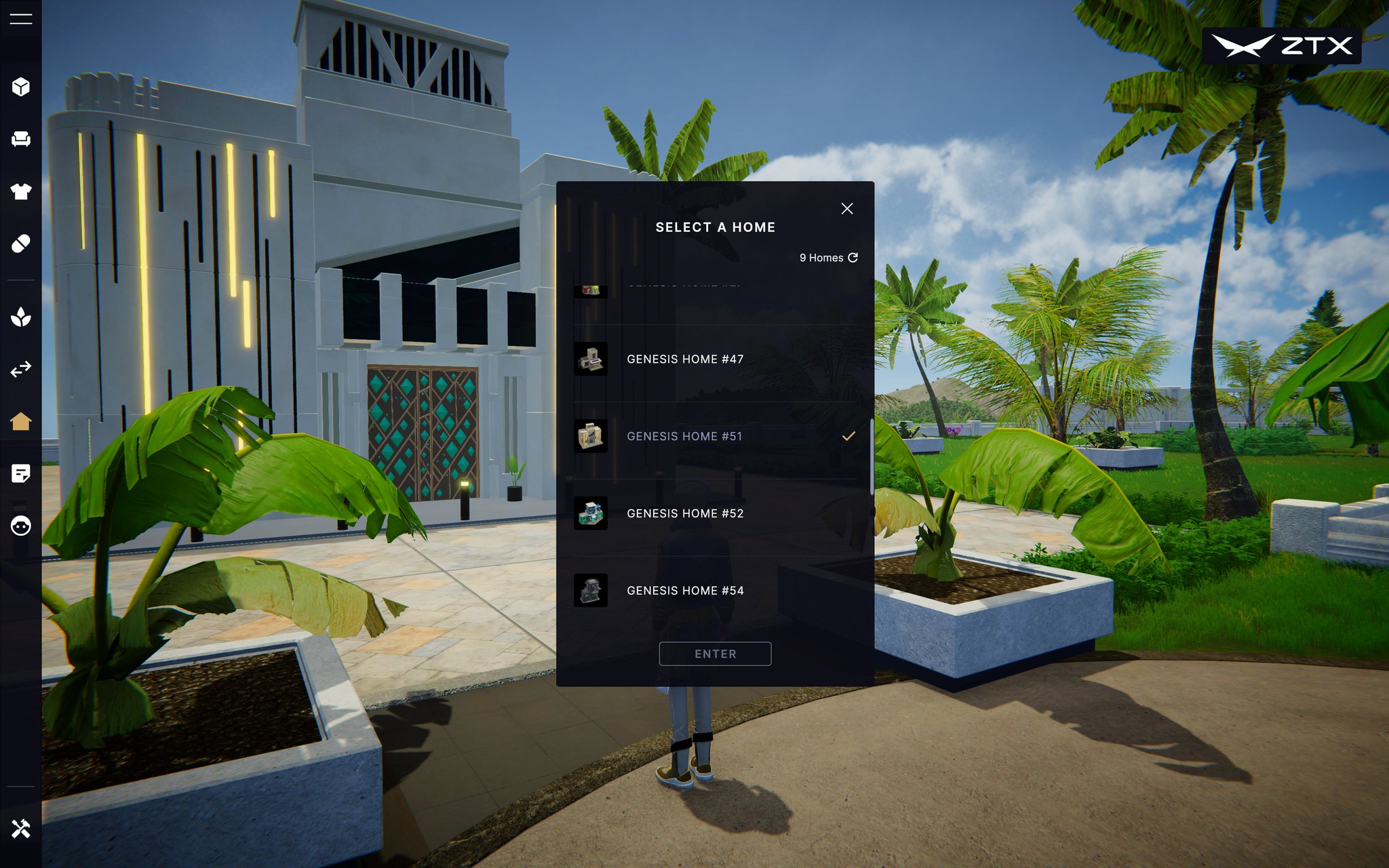
  • Owned the housing and decoration systems — 3D placement, snapping rules, garden layout, and persistence across sessions
  • Owned the farming, mining, and resource loop systems — planting, harvesting, material progression, and the economy loops that drove daily retention
  • Owned the ZEPETO X STUDIO creator tooling — ScriptableObject data containers, modular prefab UI, asset import/preview/validation/upload pipeline used by the content team daily
  • Designed and built multiple in-platform mini-games, design through implementation
  • Built player movement, interaction, and navigation controllers
  • Implemented real-time multiplayer synchronisation via Photon and Nakama
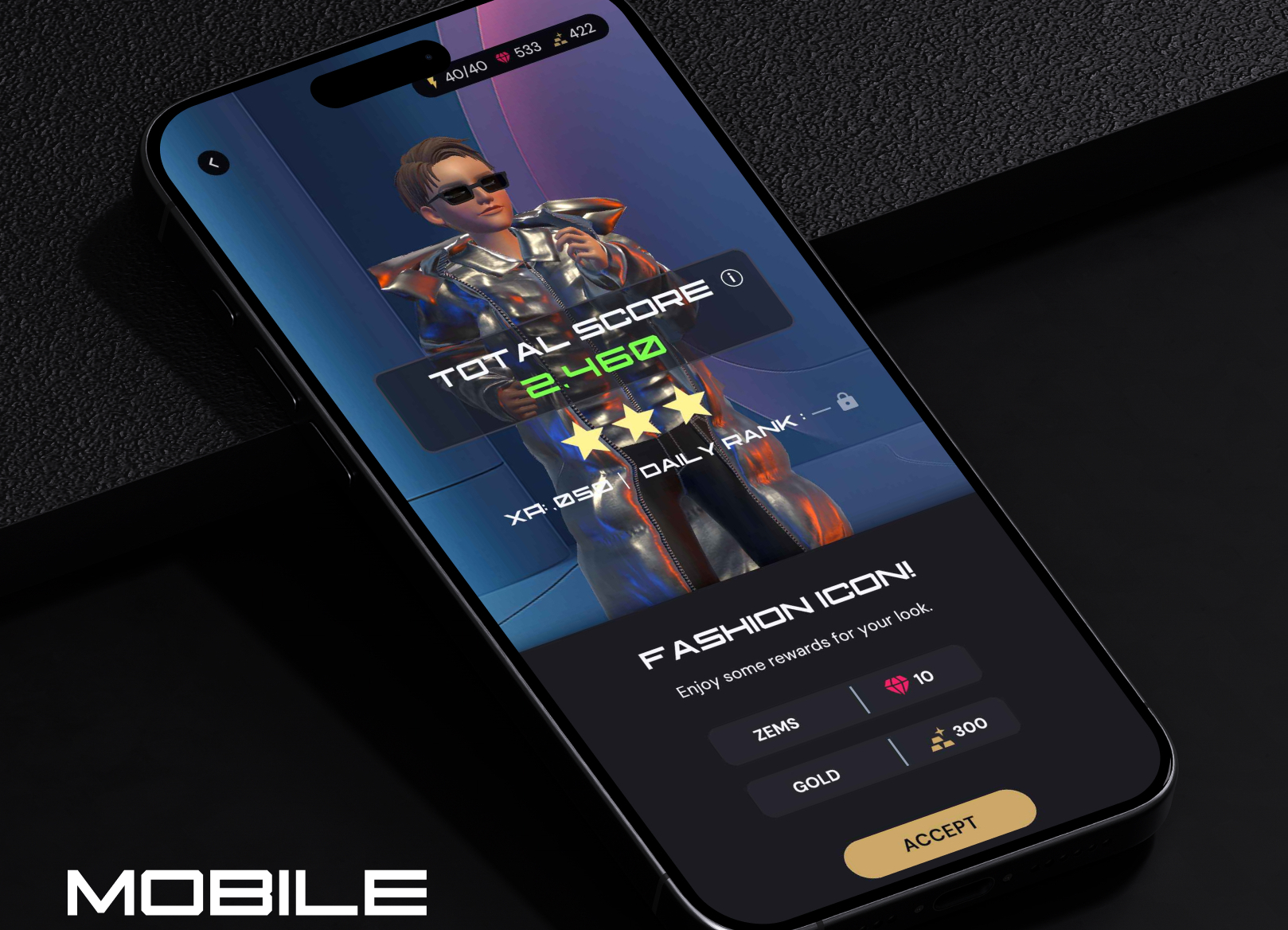
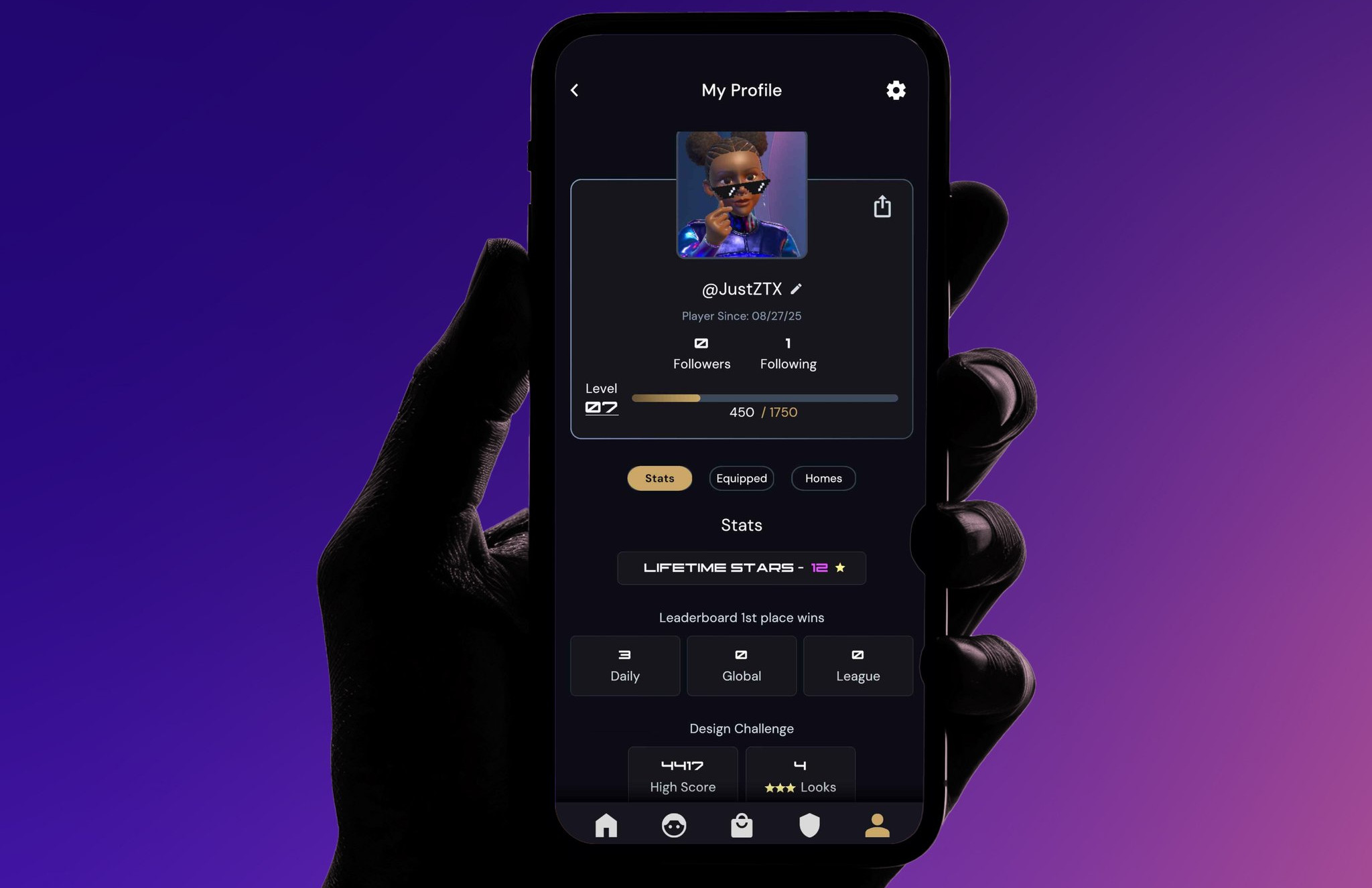
  • Built IAP, inbox, live notification, and reward systems
  • Integrated in-game asset ownership and transfer via smart contract calls
  • Designed platform architecture using message-bus and dependency injection patterns
  • Delivered the PC-to-mobile migration via Addressables and Asset Bundles — single codebase to iOS, Android, and PC simultaneously
  • Served as the communication bridge between Korean and US-based teams — aligning decisions across language and time-zone gaps before they became build problems

About a year in, the pivot from PC MMO to mobile social app changed the scope of almost every system I owned. The housing system had been designed for mouse input, large screens, and relaxed performance budgets. Mobile meant touch input, 5.5-inch displays, and hardware that was two or three generations behind the dev machines.

The question was whether to rebuild or adapt. A rebuild would have been cleaner, but it would have consumed time the team didn't have and broken working features mid-ship. The approach instead: add a mobile input layer, constrain placement precision to match touch ergonomics, and use Addressables to stream assets on-demand rather than loading the full catalogue at startup. The housing system shipped on mobile without a rewrite, desktop stayed intact, and no debt accumulated that blocked later features.

The product ran on Unity and C#. Real-time multiplayer, cross-platform deployment, content pipelines, creator tooling, IAP, and live-service operations — built in the same stack and against the same constraints as any social game or live-service mobile product.